

How to Start Your Own SMM Panel Business in 2026
Starting an SMM panel business in 2026 is about much more than creating a website and listing social media marketing services.
A successful SMM panel needs a clear business model, an intuitive customer experience, reliable order management, transparent pricing, smooth payments, and automation that saves time as the business grows.
Today’s customers do not want to send emails or messages back and forth for every small request. They expect a simple experience: create an account, add funds, choose a service, place an order, and track the result from one central dashboard.
That is exactly why SMM panels exist.
In this guide, we will walk through the essential steps of starting your own SMM panel business in 2026 and explain how an SMM panel platform like Nova Panel can help you launch faster without building everything from scratch.
What Is an SMM Panel Business?
An SMM panel business is a digital business that sells and manages social media marketing services through an online dashboard.
The customer journey usually follows a simple process:
- The user creates an account.
- The user adds funds to their balance.
- The user chooses a service from the catalog.
- The user places an order.
- The user tracks the order status.
For the business owner, the panel works as a control center. It helps manage users, services, orders, payments, balances, and account settings in one place.
This is what makes an SMM panel different from a regular service website. A normal website mainly presents information. An automated SMM panel helps operate the business.
Step 1: Choose Your Target Audience
Before you launch an SMM panel, you need to know who you are building the platform for.
Many beginners make the mistake of trying to serve everyone. They add too many services, use generic messaging, and hope that customers will appear. In reality, a focused panel is usually easier to position, promote, and manage.
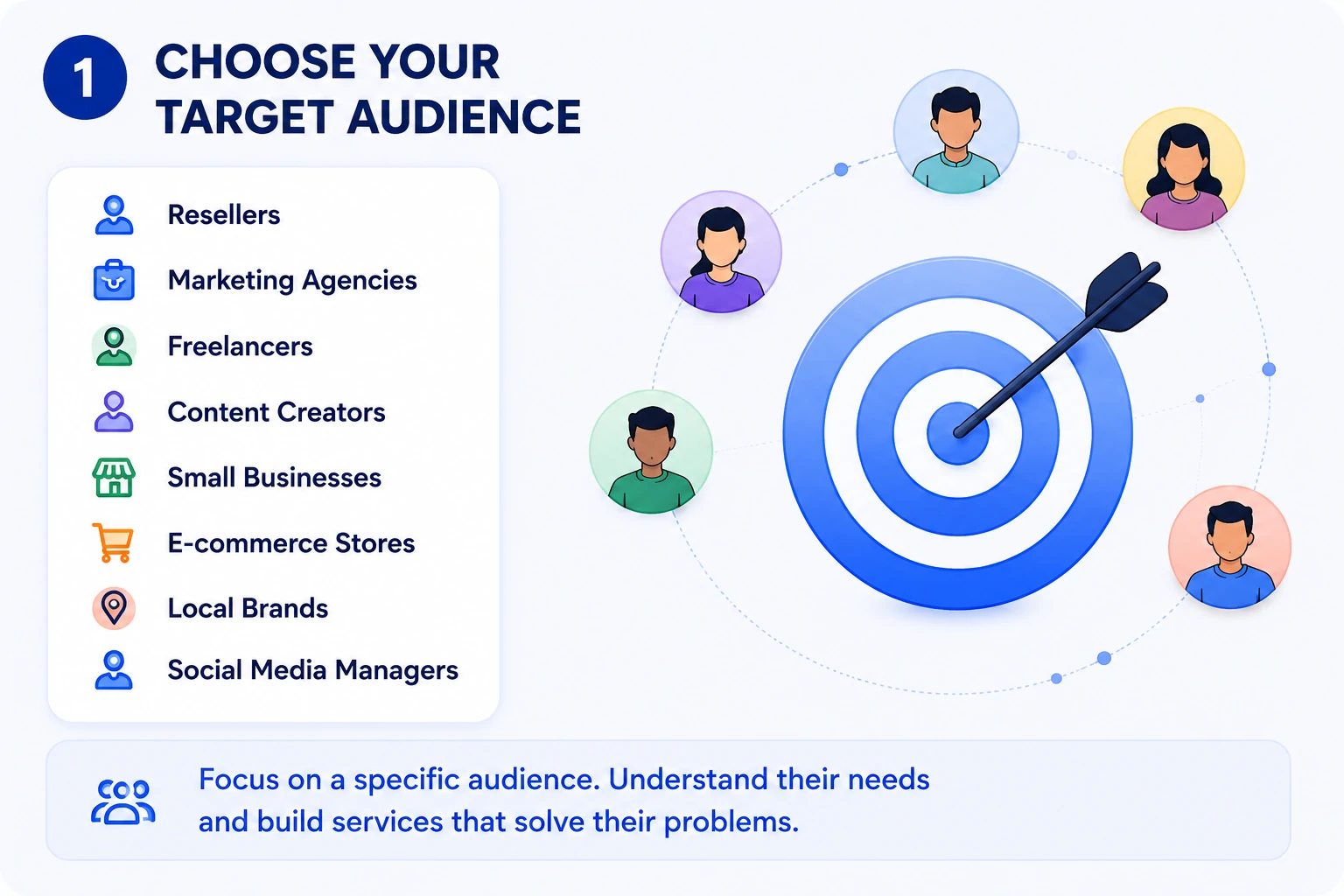
Your potential audience may include:
- Resellers
- Marketing agencies
- Freelancers
- Content creators
- Small businesses
- Local brands
- E-commerce stores
- Social media managers
Each audience has different needs.
A reseller may care about margins, repeat orders, and speed.
A small business may care about simplicity and clear explanations.
An agency may care about organization, client workflow, and order history.
A freelancer may care about looking professional and saving time.
Instead of asking, “How can I sell SMM services to everyone?” ask a better question:
Who exactly am I helping, and what specific problem am I solving for them?
That question will make your business much stronger from the beginning.
Step 2: Decide on Your Business Model
There are several ways to structure your SMM services business.
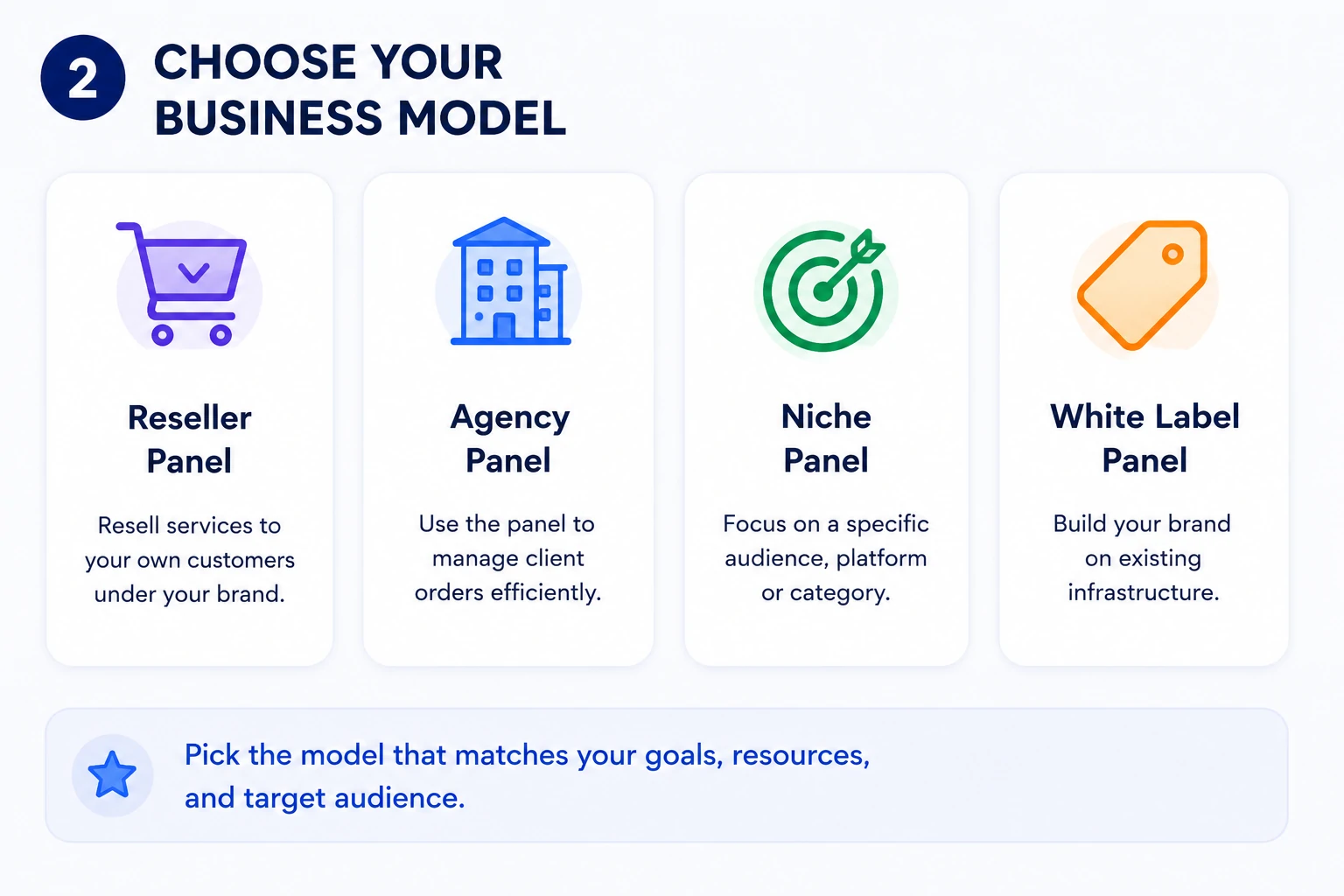
Reseller SMM Panel
A reseller SMM panel is one of the most common models for beginners.
In this model, you create a branded panel and offer services to your own customers. Your focus is not on building every technical feature from zero. Your focus is on marketing, pricing, customer support, and building trust around your brand.
This model can be a practical starting point because it allows you to test demand before investing heavily in custom development.
Agency SMM Panel
An agency can use an SMM panel as part of its client workflow.
Instead of handling every recurring request manually through email, chat, or spreadsheets, the agency can organize orders, payments, and statuses through a structured dashboard.
This model works well when an agency already has clients and wants to make its internal process more organized.
Niche SMM Panel
A niche panel focuses on a specific audience, platform, region, or service category.
For example, instead of selling every possible service, you may focus on creators, music promotion, e-commerce brands, local businesses, or agency clients.
A niche approach can make your marketing easier because your message becomes more specific. It is easier to attract the right customers when they immediately understand that your panel is built for their needs.
White Label SMM Panel
A white label SMM panel approach allows you to build a panel under your own brand using existing infrastructure.
This is useful if you want the business to look like your own product without spending months on custom development.
For many entrepreneurs, white label or ready-made platforms offer a faster way to launch, test the market, and improve the business over time.
Step 3: Choose the Right Platform
Your platform is the foundation of your SMM panel business.
You need more than a nice-looking homepage. You need a reliable system that can support real business operations.
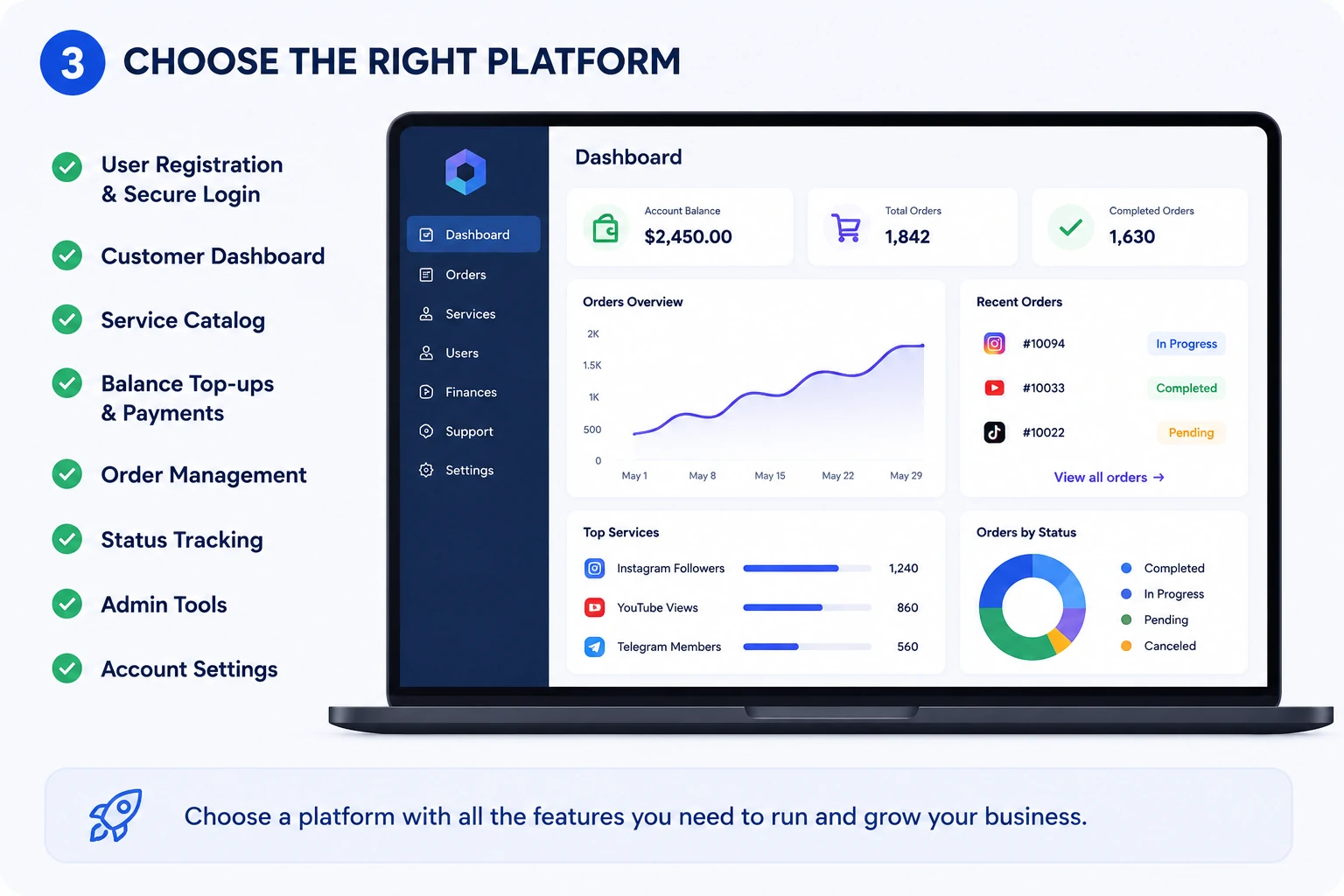
A good SMM panel platform should include:
- User registration and login
- Customer dashboard
- Organized service catalog
- Balance top-up system
- Payment flow
- Order management
- Order status tracking
- Admin tools
- Account settings
Some entrepreneurs try to build everything from scratch. This can work for large teams with enough budget, developers, and time. But for many new businesses, custom development slows down the launch.
At the early stage, your goal is not to manage a software development project. Your goal is to launch, test your offer, get feedback, and find customers.
That is why many founders choose a ready-made SMM panel platform.
A ready-made platform gives you the basic structure you need to start faster, while you focus on the business side: services, pricing, branding, support, and marketing.
Step 4: Build a Clear Service Catalog
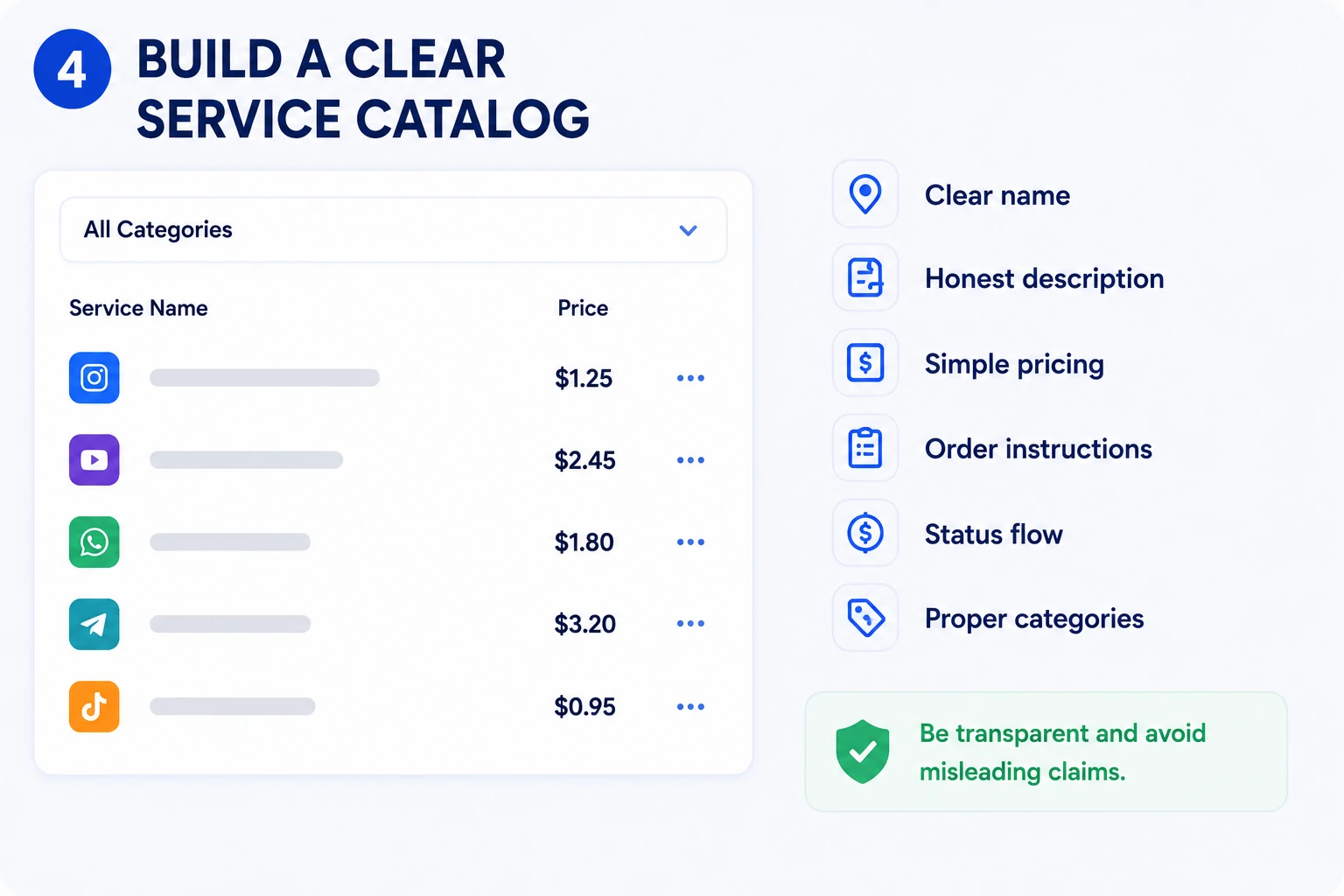
Your service catalog is where sales happen.
A common beginner mistake is adding hundreds of services immediately. A large catalog may look impressive, but it often confuses customers.
A better approach is to start with a clean, focused, and easy-to-understand catalog.
Each service listing should have:
- A clear name
- A short and honest description
- Simple pricing
- Required order instructions
- Clear category placement
- Expected status flow
Do not rely on vague names or confusing descriptions. If users cannot understand your service list, they may leave before adding funds.
It is also important to avoid misleading claims or unrealistic promises. A serious SMM business should be built on transparency, clarity, and long-term reliability.
A good catalog is not the biggest catalog.
A good catalog is the one customers can understand and use without asking support for help every time.
Step 5: Set a Pricing Strategy
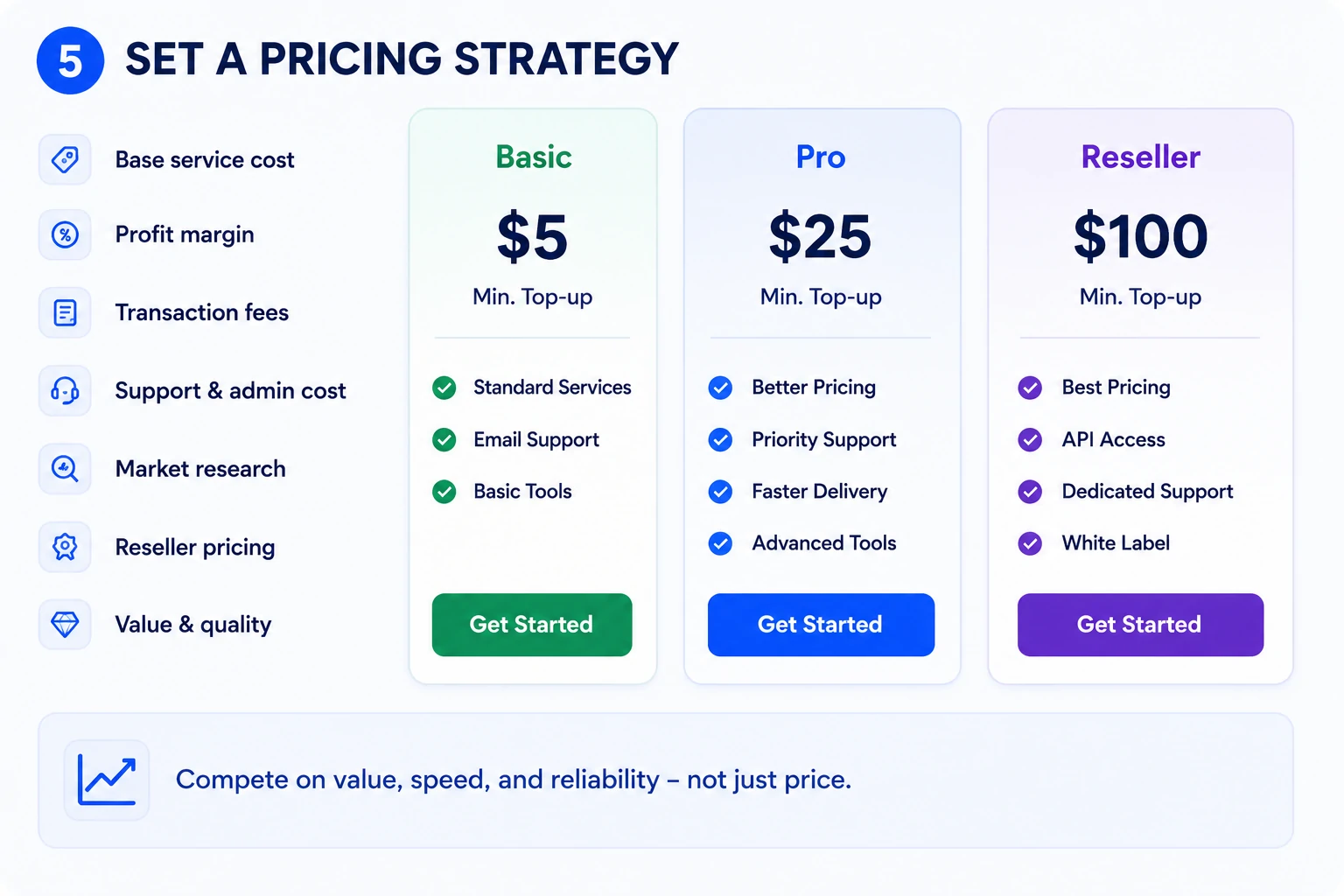
Pricing is not just about being cheaper than competitors.
If your prices are too low, you may lose margin and attract customers who are difficult to support. If your prices are too high without clear added value, people may not order.
A healthy pricing strategy for an SMM panel business should consider:
- Your base service cost
- Your desired profit margin
- Payment processing fees
- Support time
- Administrative costs
- Competitor pricing
- Market positioning
- Special pricing for repeat customers or resellers
It is better to start with a simple pricing structure and adjust it based on real data.
Later, you can create special pricing tiers for high-volume customers, agencies, or resellers.
The key is to avoid a race to the bottom. Competing only on price makes the business fragile. Competing on clarity, speed, support, and user experience is usually more sustainable.
Your pricing should answer one important question:
Why should a customer trust your panel and continue using it?
Price matters, but trust and convenience matter too.
Step 6: Create a Smooth Payment and Balance Flow
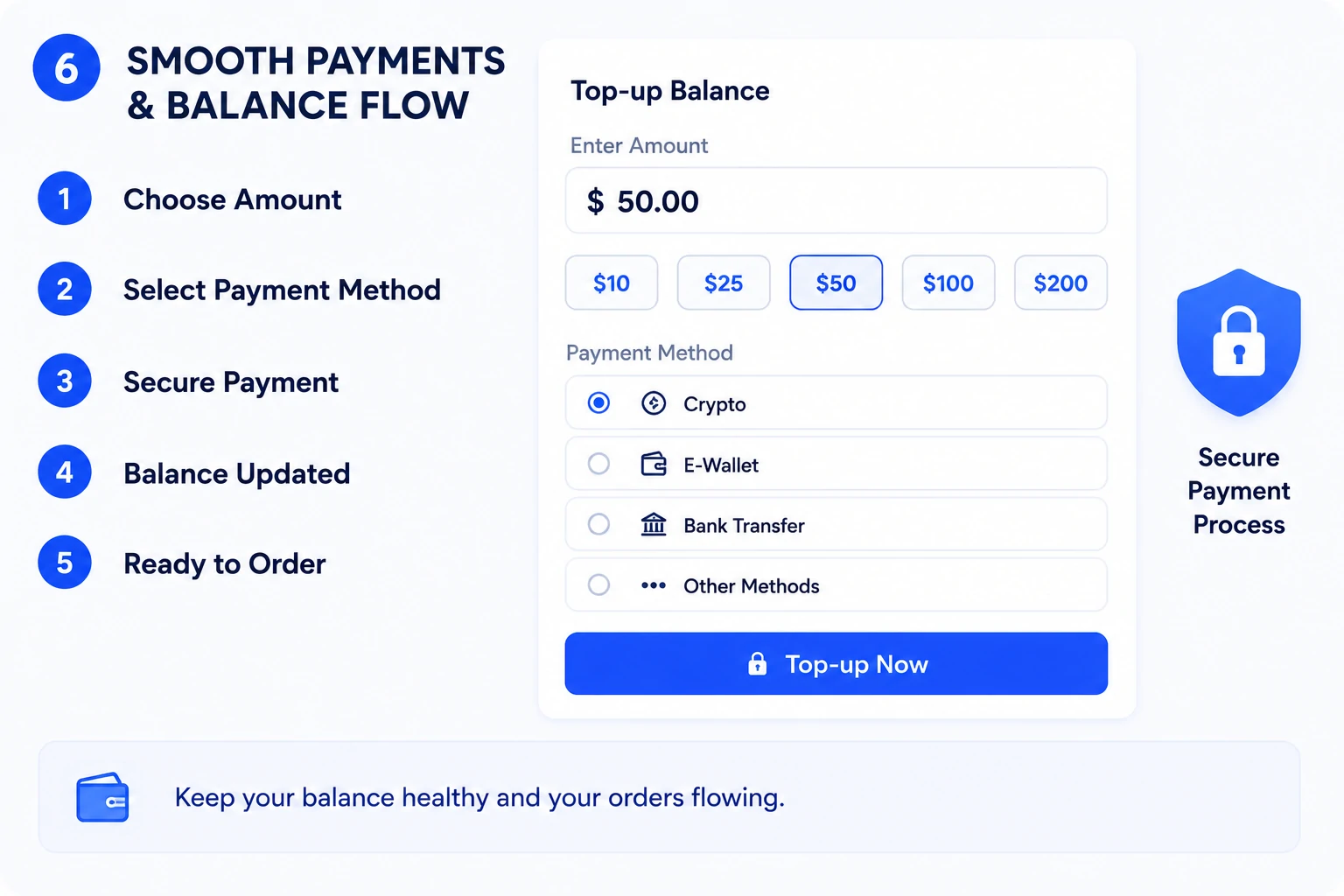
Payments are one of the most sensitive parts of an SMM panel business.
If users want to add funds but the process is confusing, slow, or does not look trustworthy, you will lose orders.
A good payment and balance flow should be simple:
- The user chooses a top-up amount.
- The user selects a payment method.
- The payment is processed.
- The balance is updated.
- The user can place an order.
The balance system is important because it makes repeat purchases easier.
Instead of paying separately for every small order, users can top up once and place multiple orders from their account balance.
Make your financial rules clear:
- Supported payment methods
- Minimum top-up amount
- Supported currencies
- Refund policy
- Balance terms
- Payment confirmation process
- Support contact for payment issues
The more transparent your payment flow is, the more confident users will feel.
Step 7: Make the Order Process Simple
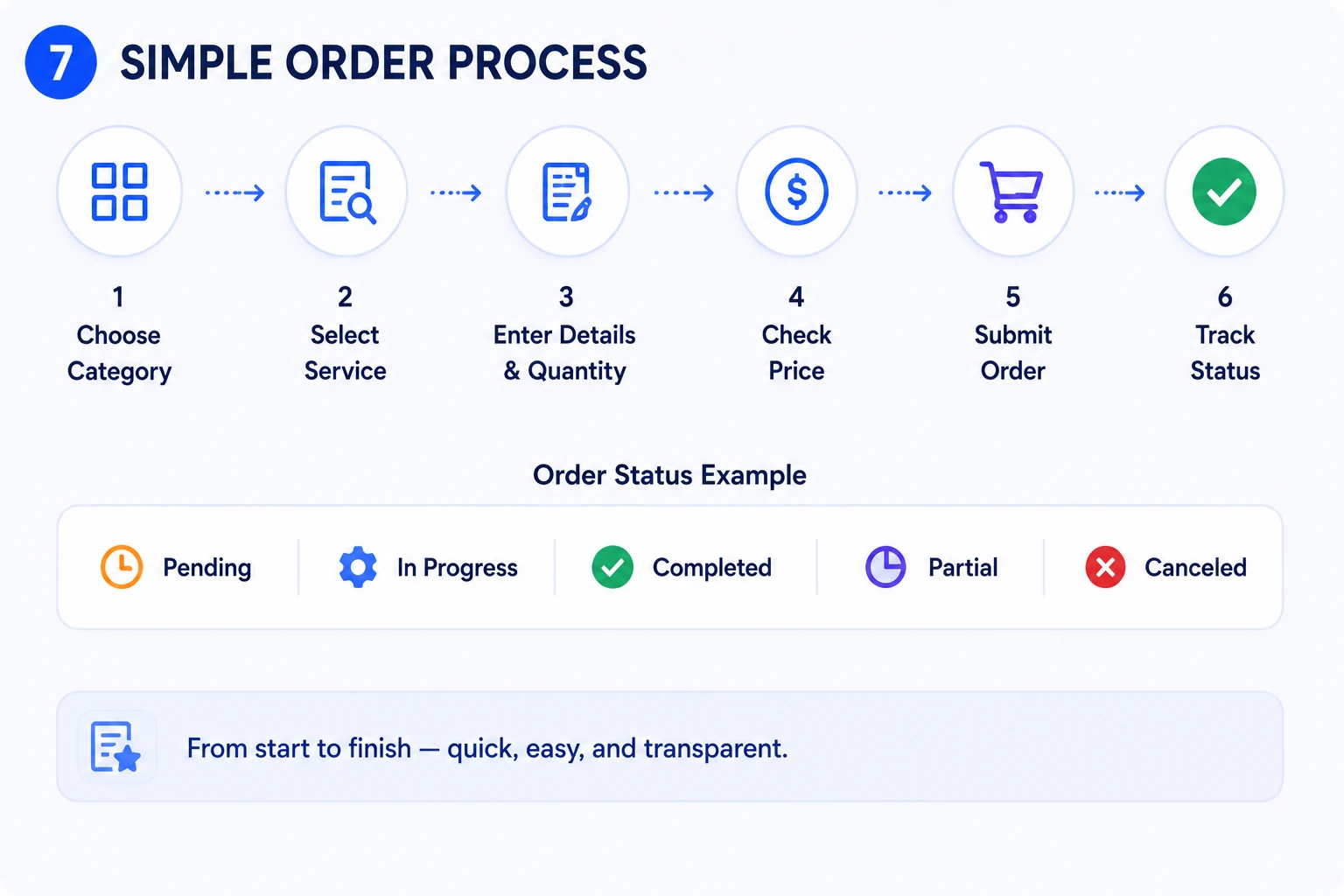
The actual order process should be easy enough for a new user to understand without contacting support.
A strong order flow usually looks like this:
- Choose a service category.
- Select a specific service.
- Enter the required details.
- Check the final price.
- Submit the order.
- Track the status.
The user should always understand what is happening.
Order statuses are especially important for trust. Common statuses may include:
- Pending
- In Progress
- Completed
- Partial
- Canceled
When users can see the status themselves, they do not need to send support messages every few minutes.
This saves time for the customer and the business owner.
A simple order process makes the panel feel professional. A confusing process creates doubt.
Step 8: Prepare Customer Support and Trust Signals

Even with automation, support still matters.
Customers need to know that your business is real, active, and reliable. This is especially important for a new SMM panel.
You can build trust with:
- Helpful FAQ section
- Clear Terms of Service
- Transparent pricing
- Clear refund and balance rules
- Visible order statuses
- Fast support responses
- Professional website design
- Educational blog content
Your blog plays an important role.
When a potential customer sees that your website has useful articles, guides, and explanations, the business feels more serious and authoritative.
That is why articles like “What Is an SMM Panel and How Does It Work?” and “How to Start Your Own SMM Panel Business in 2026” are useful not only for SEO.
They also show that your company understands the market and can explain it clearly.
Trust is built through clarity, consistency, and communication.
Step 9: Get Your First Customers
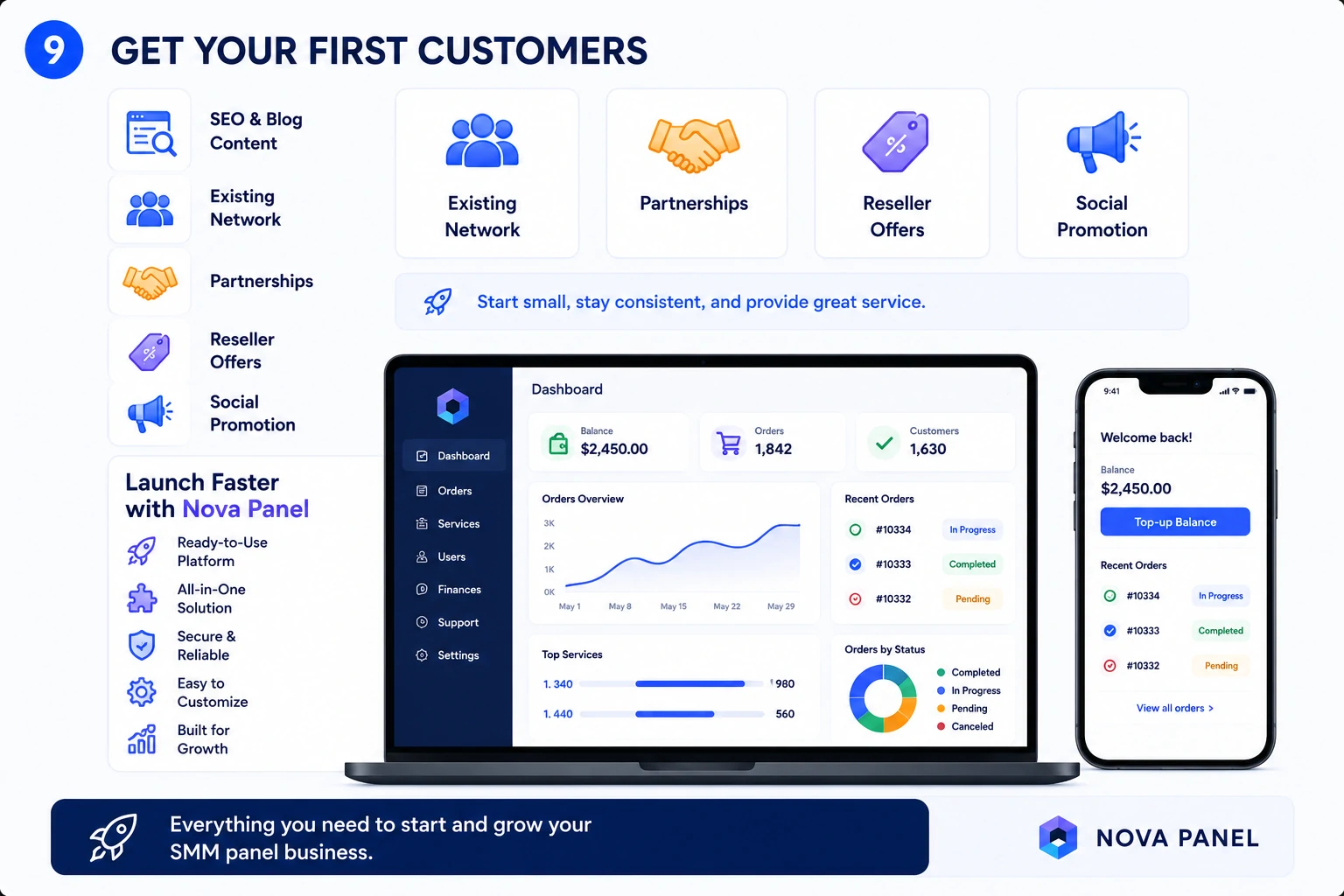
After your panel is ready, the next challenge is promotion.
At the beginning, do not try to promote everywhere at once. Start with a few focused channels.
SEO and Blog Content
SEO can become a strong long-term channel for an SMM panel business.
Create articles that answer questions your target audience is already asking, such as:
- What is an SMM panel?
- How does an SMM panel work?
- How to start an SMM panel business?
- What is a white label SMM panel?
- How to choose SMM services for your panel?
- SMM panel platform vs scripts: what is better?
- How to manage SMM panel orders?
These articles help attract people who are already researching the topic.
Existing Network
If you already know marketers, freelancers, agency owners, or resellers, start there.
Early users from your network can provide valuable feedback before you scale marketing.
Partnerships
You can partner with agencies, freelancers, or communities that already serve your target audience.
Partnerships can work well because trust is transferred from someone the customer already knows.
Reseller Offers
If your model targets resellers, you can create special pricing tiers or account conditions for repeat buyers.
Resellers can become valuable customers because they often place ongoing orders.
Step 10: Track, Learn, and Improve
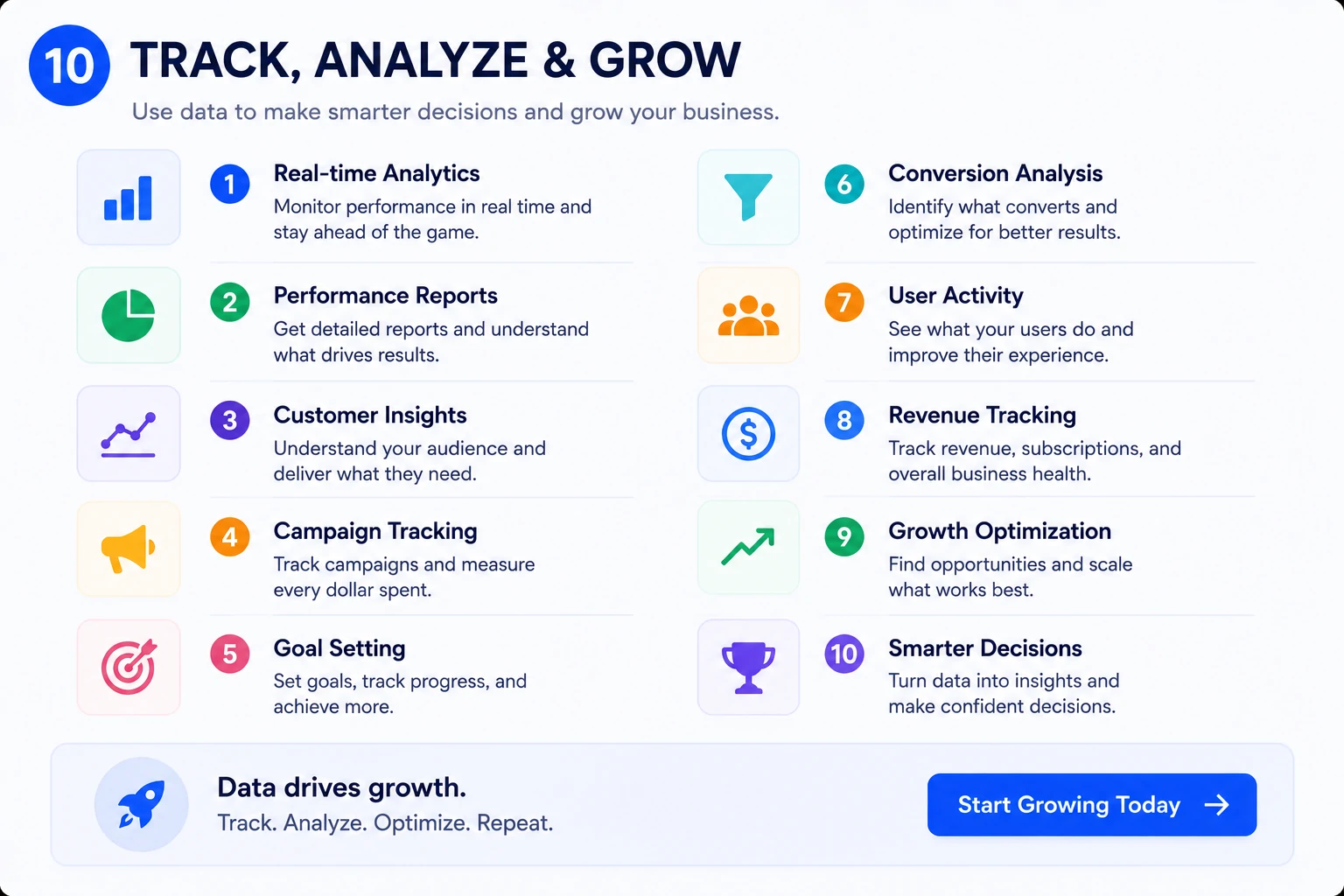
Once users begin placing orders, your real learning starts.
You should pay attention to:
- Which services are ordered most often
- Which services create the most support questions
- Where users drop off in the order flow
- Where users drop off in the payment flow
- Which payment methods are used most
- Which blog articles bring traffic
- Which customers return and place repeat orders
- Which questions appear again and again
This information helps you improve the panel.
If many users ask the same question, update your FAQ.
If a service causes confusion, improve the description.
If users open the payment page but do not top up, review the payment flow.
If one article brings qualified traffic, create more content around that topic.
A successful SMM panel is not built once and forgotten.
It improves over time based on real customer behavior.
Step 11: Scale With Automation
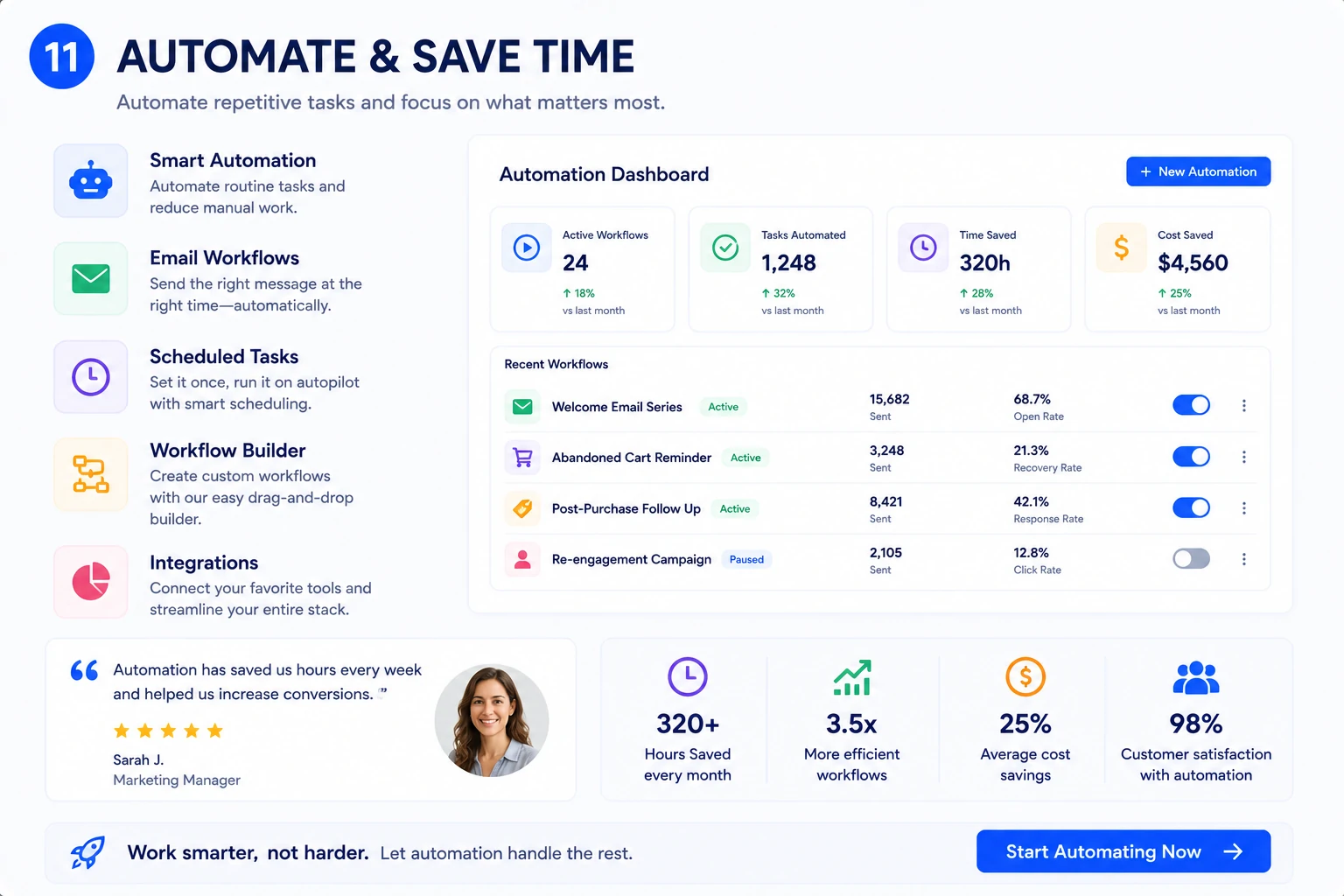
Manual work may be acceptable when you have only a few customers, but it becomes a bottleneck as your business grows.
If you need to manually confirm every payment, process every order, update every status, and answer every basic question, you will eventually hit a limit.
Automation helps you scale.
With the right system, users can:
- Register
- Add funds
- Place orders
- Check order history
- Track statuses
- Manage their account
For the owner, automation reduces repetitive work and creates more time for marketing, partnerships, support quality, and strategy.
This is one of the biggest advantages of using an SMM panel platform instead of trying to manage everything through messages, spreadsheets, and manual payment checks.
The more organized your system is, the easier it becomes to grow.
How Nova Panel Helps You Launch Faster
Nova Panel is designed for entrepreneurs who want to start an SMM panel business without building the entire technical system from scratch.
Instead of spending months creating basic platform logic manually, you can start with the core structure already in place:
- Customer dashboard
- Service catalog
- Order management
- Balance top-ups
- Payment flow
- User accounts
- Account settings
This allows you to focus on the business side:
- Choosing your niche
- Organizing your services
- Setting profitable prices
- Building your brand
- Attracting customers
- Improving support
- Scaling over time
For a new SMM panel business, speed matters.
The faster you can launch, the faster you can test your offer, understand your audience, and improve based on real customer behavior.
Nova Panel gives you the tools to launch and manage your own SMM panel without building everything from scratch.
Final Thoughts
Starting an SMM panel business in 2026 can be a strong opportunity, but only if you treat it like a real business.
You need more than a list of services. You need a clear audience, a focused catalog, smart pricing, smooth payments, simple order management, reliable support, and automation.
The goal is not just to launch a panel.
The goal is to create a system that customers can understand, trust, and use again.
If you start with the right foundation, you can avoid many early mistakes and focus on what matters most: building a useful service, getting customers, and improving over time.
Nova Panel gives you the tools to launch and manage your own SMM panel without building everything from scratch.
FAQ
How do I start an SMM panel business?
To start an SMM panel business, choose your target audience, decide on your business model, select a reliable platform, build a clear service catalog, set sustainable pricing, connect payment methods, prepare support channels, and start promoting your panel.
Do I need coding skills to start an SMM panel?
Not necessarily. If you use a ready-made SMM panel platform, you can launch without building the entire software system yourself. This allows you to focus on marketing, services, and customers instead of code.
What is the best business model for a beginner?
For many beginners, a reseller or white label model is easier to start with because it reduces technical complexity and upfront development costs. The best model depends on your audience, budget, and long-term goals.
How should I choose services for my SMM panel?
Start with a focused catalog that matches your target audience. Use clear names, honest descriptions, and transparent pricing. Avoid adding too many services before you understand customer demand.
Why is automation important for an SMM panel business?
Automation allows users to add funds, place orders, and track statuses without contacting the owner every time. It reduces manual work, saves time, and helps the business handle more customers as it grows.
Is an SMM panel business profitable?
It can be profitable if you manage base costs, set sustainable margins, provide a clear user experience, build customer trust, and market effectively to a specific audience. Profitability depends on pricing, demand, service quality, support, and marketing.